
Electric Ladyland: Jimi Hendrix’s London Revolution
In 1966, a struggling American guitarist arrived in London. Within months, he had transformed the British music scene and become a global superstar. The story of Jimi Hendrix (1942–1970) is often told as a legend of rock ‘n’ roll excess, but at its heart, it is a story of migration and the unique creative atmosphere […]
Frederick Douglass: The British Tour that Bought His Freedom
Escaping slavery in America, Frederick Douglass found in Britain a powerful network of abolitionist support and the funds that would legally secure his liberty. In August 1845, a young man who had escaped slavery in Maryland stepped off a ship in Liverpool. Frederick Douglass (c.1818–1895) was already becoming famous in America for his powerful oratory […]
Bernardine Evaristo: Redefining British Literature
In 2019, Bernardine Evaristo became the first Black woman to win the Booker Prize. Her victory marked a turning point for representation in the British literary establishment. The 2019 Booker Prize ceremony was one of the most discussed in the award’s history. When Bernardine Evaristo was announced as the joint winner (alongside Margaret Atwood) […]
Lewis Hamilton: Racing Towards Justice
The most successful driver in Formula One history, Lewis Hamilton has used his global platform to advocate for diversity and racial equality in one of the world’s most exclusive sports. In the high-octane, traditionally white world of Formula One racing, Lewis Hamilton’s ascent has been more than just a sporting success; it has been a […]
Wings of the Empire: Caribbean Aircrew in WWII
Over 10,000 West Indians volunteered for the RAF during the Second World War. This essay tells the story of the pilots, navigators, and engineers who flew for Britain’s survival. While the ‘Windrush’ generation is often seen as the beginning of the Caribbean presence in modern Britain, many of those who stepped off the ship in […]
Walter Tull: Footballer, Soldier, Pioneer
A professional footballer who became the first Black officer to lead white troops in the British Army, Walter Tull’s life was a testament to courage in the face of prejudice. Walter Tull (1888–1918) was a man who broke barriers in two of the most visible arenas of British life: professional football and the military. […]
The Class of 1987: A Parliamentary Revolution
The 1987 General Election was a watershed moment in British politics, as Diane Abbott, Bernie Grant, Paul Boateng, and Keith Vaz became the first Black and Asian MPs in the modern era. On the night of June 11, 1987, the landscape of British democracy changed forever. For the first time in the 20th century, four […]
West African Excellence: The Nigerian and Ghanaian Journey
From the first 19th-century students to the modern professional diaspora, Nigerians and Ghanaians have shaped British medicine, law, and culture for generations. The history of Nigerian and Ghanaian migration to Britain is a narrative of intellectual exchange, professional ambition, and cultural transformation. While West Africans have been present in Britain since the era of […]
Maritime Roots: The Somali Community in Britain
One of Britain’s oldest Muslim communities, the Somali presence dates back to the 19th-century ‘lascar’ sailors who settled in ports like Cardiff and Liverpool, long before the refugees of the 1990s arrived. The Somali community in Britain is one of the oldest and most established African diaspora groups in the United Kingdom. While often […]
The Bristol Bus Boycott: How Paul Stephenson Brought the Civil Rights Movement to Britain
In 1963, the Bristol Omnibus Company refused to employ Black or Asian workers. A young community organiser named Paul Stephenson organised a boycott. Four months later, the colour bar was gone — and Britain had its first civil rights victory. In the spring of 1963, a young man named **Paul Stephenson** walked into the offices […]
How Notting Hill Carnival Was Born: Claudia Jones and the Fight for Joy
The Notting Hill Carnival — now Europe’s largest street festival — began not in the streets but in a town hall, organised by a Trinidadian communist deported from America who used Caribbean joy as a weapon against racist violence. On the night of 30 January 1959, a Caribbean Carnival was held in St Pancras […]
Jacques Francis: The African Diver Who Testified in a Tudor Court
Jacques Francis was a salvage diver from Guinea working on the wreck of the Mary Rose. In 1548, he became the first known Black person to give evidence in an English court — and the court accepted his testimony. On 19 July 1545, in the Solent off the coast of Portsmouth, Henry VIII watched from […]
Why Britain Abolished the Slave Trade: Economics, Religion and Black Resistance
The abolition of Britain’s slave trade in 1807 was the result of a decades-long struggle. But why did it succeed when it did? The answer involves economics, Quaker faith, an extraordinary campaign — and the resistance of enslaved people themselves. On 25 March 1807, the Slave Trade Act received Royal Assent, making it illegal […]
The Bristol Connection: How the Slave Trade Built a City
Bristol’s prosperity was built on the slave trade. The city’s architecture, its institutions and its very street names bear witness to this history — and its communities are still grappling with what that means today. Walk through the centre of Bristol today and you walk through a cityscape shaped by the transatlantic slave trade. Colston […]
The Zong Massacre: Horror at Sea and a Turning Point for Abolition
In 1781, the captain of the slave ship Zong ordered 132 enslaved people thrown overboard to their deaths. The case became a watershed moment in the British abolitionist movement. On 29 November 1781, the captain of the British slave ship Zong — Luke Collingwood — ordered the massacre of 132 enslaved Africans by throwing them […]
Beachy Head Lady
In the summer of 1953, workmen carrying out road improvements near Beachy Head on the East Sussex coast disturbed a skeleton. The bones were removed, examined cursorily, and stored. It would take decades, and the development of isotopic and DNA analysis techniques, to understand what had been found: evidence of one of the most remarkable […]
Akala

When Kingslee Daley adopted the stage name Akala, he chose more than just a moniker. He signalled a commitment to vigilance, awareness, and cultural honour. Born in 1983 to a Jamaican father and a Scottish mother, Akala’s upbringing in Camden, north London, was steeped in the realities of race, class, and British identity. His breakout […]
Elementor #15468
Olaudah Equiano stands as a seminal figure in the annals of Black history, his life epitomising the harrowing journey from enslavement to freedom and activism. Through his eloquent writings and relentless advocacy, Equiano illuminated the brutal realities of the transatlantic slave trade, galvanising the abolitionist movement in Britain and beyond. Early Life and Enslavement Born […]
Mahmood Mattan-New doubts cast on 1952 hanging

Summary of: New doubts cast on 1952 hanging – Widow seeks posthumous pardon The Guardian, Saturday, February 21, 1998 New Evidence Could Overturn 1952 Hanging Conviction Mahmood Mattan, a Somali sailor hanged in 1952 for the murder of Lily Volpert in Cardiff, may have been wrongfully convicted. His widow, Laura Mattan, is campaigning for a […]
Plan For Discharging The National Debt 1771
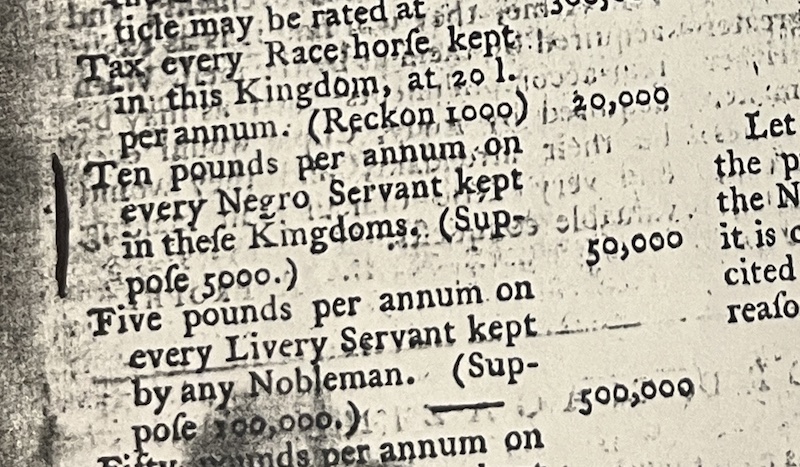
The Oxford Magazine September 1771 contained an article written by someone calling themselves The Cobbler of Cranbourne Alley. The cobbler of Cranbourne Alley, ever attentive to the duty which a public writer owes to the public, do himself the honour to transmit to you a plan for discharging the national debt; and he is serious […]