

Black People in England in the 1700s
Black People in England in the 1700s: Life, Freedom and Resistance The history of Black people in England in the 1700s is far richer and more complex than is sometimes

Black People in England in the 1700s: Life, Freedom and Resistance The history of Black people in England in the 1700s is far richer and more complex than is sometimes

Introduction to Una Marson and Her Significance Una Maud Victoria Marson stands as one of the most influential figures in Caribbean literary work and political activism. Known
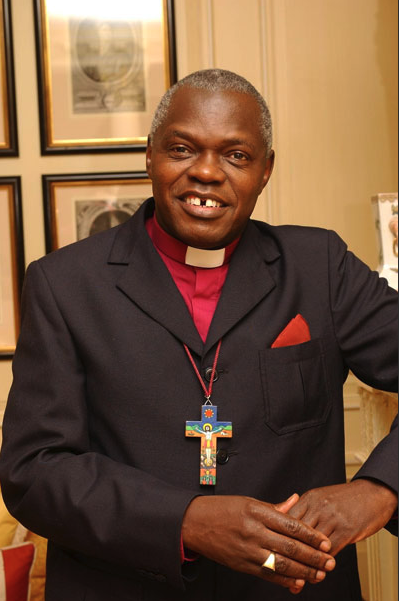
Bishop John Sentamu: From Uganda to Archbishop of York Introduction to Bishop John Sentamu John Tucker Mugabi Sentamu, widely known as Bishop John Sentamu, stands as one of the most
World War I and African American Soldiers World War I marked a turning point in global history, and the role of African American soldiers within that conflict deserves sustained attention.
Uncovering the Legacy of Nanny: Jamaica’s Fierce Maroon Leader The story of nanny of the marroons is one of the most powerful narratives in Jamaican resistance history and wider Jamaican
Edward Colston made his fortune trading enslaved Africans and spent part of it building schools and almshouses in Bristol. For over a century his statue stood in the city centre.
The Royal African Company was chartered by Charles II in 1672, with the Duke of York as its governor. It held a monopoly on Britain’s slave trade for a quarter
From John Archer in 1913 to the council leaders of today, local government has been a vital arena for Black political power and community service in Britain. While Westminster often
Mixed-race people are the fastest-growing ethnic group in the UK. This essay explores the evolving terminology, census data, and lived experiences of dual-heritage Britons. Mixed-race or dual-heritage identity is a
Grime emerged from the tower blocks of east London in the early 2000s, rawly and urgently local. Two decades later, it had transformed British music and culture — and given
What began as a community response to racist violence in 1959 has grown into Europe’s largest street festival. The Carnival’s history is inseparable from the history of Black Britain. Every
Sound systems — powerful mobile hi-fi rigs playing reggae and dancehall — were far more than a way of playing music. They were schools, community centres, political forums and sonic
Born in Jamaica in 1932, Stuart Hall became Britain’s most important cultural theorist, helping to found cultural studies and transforming how we think about race, identity and representation. Stuart Hall
The racist murder of Stephen Lawrence in 1993, and his family’s twenty-year fight for justice, exposed institutional racism in the police and changed British law, policing and public discourse on
Thirteen young Black people died in a fire in New Cross, south-east London, in January 1981. The community’s response — and the government’s indifference — shaped a generation of Black
For three weeks in August and September 1958, white mobs attacked West Indian homes and businesses in Notting Hill. The riots exposed the racism that had festered beneath Britain’s post-war
The Windrush Scandal exposed how the British state systematically targeted people who had lived legally in Britain for decades, stripping them of their rights and in some cases deporting them
What was it like to sail from Jamaica to a new life in Britain? The accounts of those who made the journey aboard the Empire Windrush in June 1948 reveal
The only successful slave revolt in history, the Haitian Revolution (1791–1804) shattered the myths of white supremacy and fundamentally altered the course of world history. The Haitian Revolution was not
From his early years in London to his global leadership of the UNIA, Marcus Garvey’s vision of Black self-reliance and unity transformed the 20th-century diaspora. Marcus Garvey (1887–1940) was perhaps