Bishop John Sentamu: From Uganda to Archbishop of York
Introduction to Bishop John Sentamu
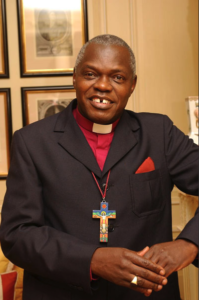
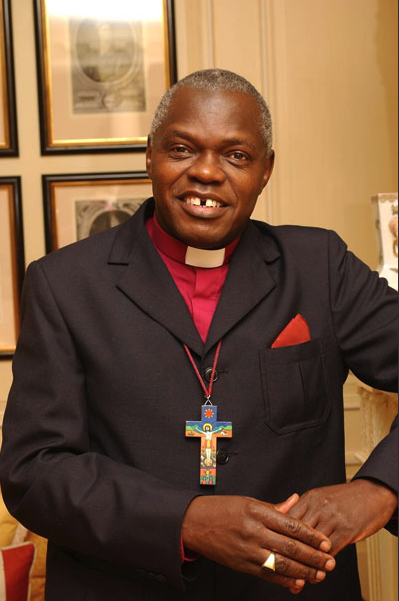
John Tucker Mugabi Sentamu, widely known as Bishop John Sentamu, stands as one of the most influential figures within the Church of England in modern history. Born in Kampala, Uganda, his journey from a turbulent political landscape to becoming the 97th Archbishop of York reflects resilience, faith, and leadership.
His education began in Uganda before continuing in England at institutions such as Selwyn College, part of University of Cambridge. This academic grounding in law and theology shaped both his legal and religious careers.
Early Career in Uganda and Legal Foundations
Before entering the priesthood, John Sentamu served as a lawyer and later as a judge at the High Court of Uganda. His work as a judge placed him in direct conflict with the oppressive regime of Idi Amin.
His commitment to justice and human rights became clear during this time. Political persecution forced him to flee the Republic of Uganda in 1974. This experience had a lasting impact on his worldview, strengthening his stance against prejudice, institutional injustice, and abuse of power.
Transition to Priesthood in England
Upon arriving in London, Bishop John Sentamu retrained for the priesthood within the Anglican Church. His theological studies were enriched by his earlier legal experience, giving him a rare perspective on both pastoral and legal responsibilities.
He served as a parish priest and later took on parish appointments across England. His rise continued when he was appointed Bishop of Stepney in south London, followed by his role as Bishop of Birmingham.
These positions allowed him to address social issues at community level, where poverty, racism, and inequality were prevalent.
Advocacy, Social Justice and Public Voice
Bishop John Sentamu became known for his outspoken advocacy. He played a role in discussions surrounding the Stephen Lawrence Judicial Enquiry, highlighting institutional prejudice within British systems.
His involvement extended to addressing serious safeguarding matters within the Church. He worked alongside safeguarding advisers and diocesan safeguarding advisers to strengthen safeguarding procedures and improve the work of the national safeguarding team.
Issues such as child sexual abuse, historical abuse, and offences committed within clergy circles were addressed with increasing transparency under his leadership. His approach balanced accountability with pastoral care, although some decisions later attracted scrutiny.
Archbishop of York and National Influence
In 2005, Bishop John Sentamu became the first black archbishop in the history of the Church of England, taking on the role of Archbishop of York. This appointment marked a significant milestone, not only for the church but for British society as a whole.
Serving at York Minster, he became a prominent national figure. As Primate of England, second only to the Archbishop of Canterbury, his influence extended into public life, including the House of Lords.
He was later granted a peerage, becoming Lord Sentamu. His contributions were recognised through honorary degrees and national honours.
Leadership Style and Personality
Bishop John Sentamu’s leadership style has often been described as charismatic and energetic. A proud Yorkshireman, he embraced both his African heritage and British identity.
His personality was evident in moments such as public demonstrations against injustice and his engagement with the Daily Telegraph and wider British press. He frequently used symbolic acts to communicate strong messages.
His connection to African singing, culture, and faith traditions also brought a distinctive voice to the Church of England.
Controversies and Criticism
Despite widespread admiration, Bishop John Sentamu’s career has not been without controversy. His opposition to same sex marriage and views on gay priests drew criticism from some within and outside the church.
More significantly, safeguarding issues later emerged, including criticism related to how abuse cases and safeguarding matters were handled. Questions were raised about adherence to established safeguarding procedures and the role of senior clergy in addressing serious sexual offences.
An Independent Inquiry into Child Sexual Abuse examined aspects of institutional response, and his actions were scrutinised as part of broader concerns within the Church.
Retirement and Continued Influence
Bishop John Sentamu retired from his role as Archbishop of York in 2020, marking the end of an era. However, his influence did not end with retirement. He has remained engaged in public discourse, particularly around social justice, equality, and faith.
His legacy continues through institutions such as Archbishop Sentamu Academy, which reflects his commitment to education and community development.
Legacy of Bishop John Sentamu
The legacy of Bishop John Sentamu is complex yet significant. He broke barriers as the first black archbishop, challenged institutional prejudice, and contributed to national conversations on justice and equality.
At the same time, his career highlights the challenges faced by large institutions such as the Church of England when dealing with safeguarding and accountability.
His journey from Kampala to York remains one of the most compelling stories in modern British religious life.
Frequently Asked Questions
What are Archbishop John Sentamu’s most notable accomplishments?
He became the first black Archbishop of York, contributed to social justice debates, and served in the House of Lords. His leadership shaped national discussions on faith and equality.
How did his upbringing in Uganda influence his career?
Growing up in Uganda under political instability, including the regime of Idi Amin, shaped his commitment to justice, human rights, and advocacy.
What led to his appointment as Archbishop of York?
His experience as Bishop of Birmingham, combined with his strong public voice and leadership within the Church of England, led to his historic appointment in 2005.
How has Bishop Sentamu addressed safeguarding issues?
He worked with safeguarding teams and advisers to improve procedures, although some decisions later faced criticism during national inquiries into abuse handling.
What is his lasting impact on the Church of England?
His impact includes breaking racial barriers, strengthening the church’s public voice on social issues, and influencing ongoing reforms in safeguarding and governance.
Final Thoughts
Bishop John Sentamu remains a defining figure in both religious and public life in Britain. His story reflects courage, conviction, and complexity, offering valuable lessons for future generations within the Church and beyond.
Call to Action
Explore More Inspiring Figures and Stories
Discover more influential leaders and powerful biographies by visiting our category page and expanding your understanding of history, leadership, and impact.