Uncovering the Legacy of Nanny: Jamaica’s Fierce Maroon Leader
The story of nanny of the marroons is one of the most powerful narratives in Jamaican resistance history and wider Jamaican history. Known as Nanny of the Maroons, she stands as both a historical figure and a Maroon legend, a leader whose influence shaped the course of the eighteenth century in Jamaica. Her name is closely tied to the struggle for freedom against the British Empire, and her leadership continues to define the identity of Maroon communities today.
Often referred to as Queen Nanny or Granny Nanny, she is recognised as a National Hero of Jamaica. Her legacy was formally acknowledged by the Jamaican government and recorded in the Jamaica Gazette, confirming her status as a National Heroine whose leadership changed the course of history.
Origins of the Maroons and Their African Roots
The Maroons of Jamaica were formed by runaway slaves who escaped plantation owners during the late seventeenth century and early eighteenth century. These enslaved Africans, many of whom came from West African regions such as Gold Coast, now modern Ghana, carried with them deep cultural traditions, military knowledge, and spiritual practices.
Many were believed to have connections to the Ashanti tribe, which influenced the structure and resilience of Maroon society. These communities developed into highly organised groups such as the Windward Jamaican Maroons and the Leeward Maroons. Settlements were established in difficult terrain such as the Blue Mountains and Cockpit Country, where British troops struggled to operate effectively.
The Maroon communities created a unique Afro-Caribbean identity. Their oral history, traditions, and governance systems reflected both African origin and adaptation to life in Jamaica. This blend of cultures became a defining feature of Maroon Heritage.
Nanny’s Leadership and the Rise of a Maroon Heroine
Nanny of the Maroons emerged as a central leader among the Windward Maroons in eastern Jamaica. She led from Nanny Town, an original settlement located deep within the mountains. This settlement became a strategic base for resistance and survival.
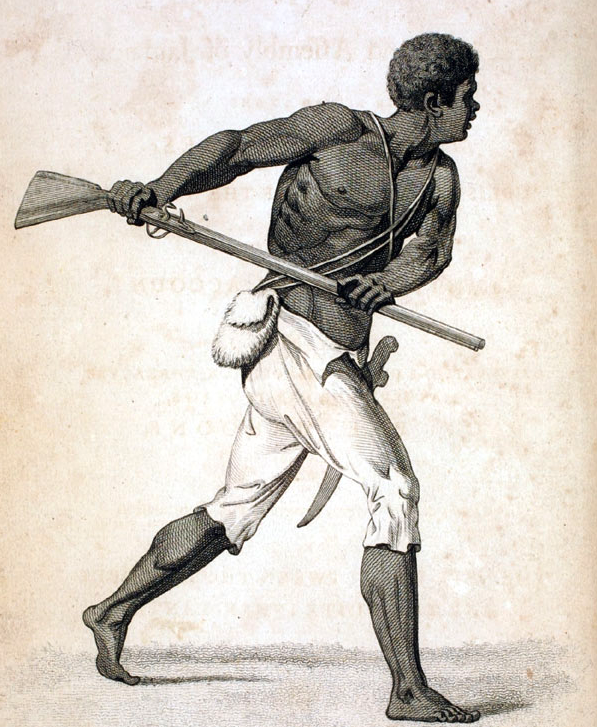
Her leadership was both practical and symbolic. She commanded maroon troops, organised defences, and led resistance against colonial authorities. At the same time, she was regarded as a wise woman, deeply connected to spiritual practices such as Obeah, a form of folk magic believed to harness supernatural powers.
Nanny’s troops were disciplined and highly effective. Her ability to unite people, many of whom had experienced the trauma of the transatlantic slave trade, demonstrated exceptional leadership. Her role as a Black woman in command also highlights the importance of women and Black women’s lives within Maroon society.
Guerrilla Warfare and Maroon Mastery
The success of the Maroons during the First Maroon War was built on tactical brilliance. Nanny of the Maroons used guerrilla warfare to outmanoeuvre British soldiers who were trained for conventional battles.
British authorities found it difficult to maintain control. Their marches through the mountains were slow and exposed, while the Maroons moved quickly and with precision. This imbalance forced the British Empire into negotiations.
Cultural and Spiritual Beliefs of the Maroons
The Maroon society was deeply spiritual. Practices such as Obeah played a central role in daily life and warfare. These beliefs were not simply symbolic. They provided psychological strength and unity among the Maroons.
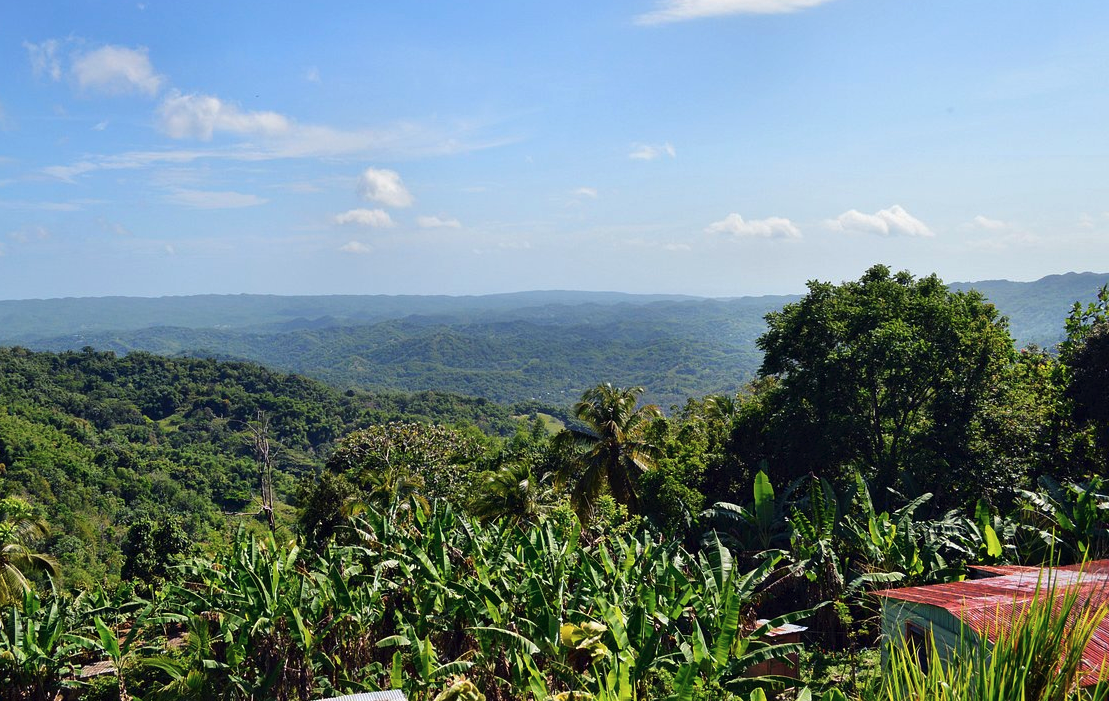
Their connection to nature was equally important. The mountains were not just a hiding place. They were a source of identity and survival. This relationship with the environment is still evident in communities such as Moore Town, where descendants of the Eastern Maroons continue to preserve their traditions.
Legacy in Jamaican Culture and Global History
Nanny of the Maroons has become a defining figure in Jamaican culture. Her story is represented in art, literature, and academic research. Publications from institutions such as the University of the West Indies and works by historians like Mavis Campbell have explored her impact in depth.
Her influence extends beyond Jamaica. The study of slavery through the lens of Maroon communities has reshaped our understanding of the slave trade and resistance movements. It has highlighted the agency of enslaved people and the complexity of their fight for freedom.
Nanny’s recognition as a National Heroine reflects her lasting importance. She is not only a historical figure but also a symbol of resilience and leadership.
Ongoing Challenges for Maroon Communities
Despite their historic victories, Maroon communities continue to face challenges. Issues such as land rights, cultural preservation, and recognition remain ongoing concerns.
Communities like Moore Town and Accompong Town work to maintain their identity while navigating modern pressures. The struggle to protect Maroon Heritage is an extension of the fight that began centuries ago.
Nanny Day and National Recognition
Each year, Jamaica celebrates Nanny Day in honour of Nanny of the Maroons. This national event recognises her contributions to Jamaican society and the broader struggle for liberation.
The celebration serves as a reminder of the importance of remembering figures like Nanny. It reinforces her role as a leader, a heroine, and a symbol of resistance.
Why Nanny of the Maroons Still Matters
The story of nanny of the marroons remains essential to understanding Jamaican resistance history. It highlights the courage of runaway slaves who refused to accept oppression and built their own societies.
Her leadership shaped not only the Maroon communities but also the wider narrative of freedom in Jamaica. The impact of slave rebellions led by figures like Nanny continues to influence Jamaican society today.
Frequently Asked Questions
How does the story of Nanny of the Maroons fit into Jamaican resistance history?
Nanny’s leadership represents one of the most organised and successful resistance movements against colonial rule, forming a key part of Jamaican history.
What was the significance of Nanny Town?
Nanny Town was the original settlement of Nanny of the Maroons. It served as a strategic base for defence and resistance in the mountains of eastern Jamaica.
How did Nanny become a National Hero of Jamaica?
Her role in leading the Maroons, defeating British troops, and securing autonomy led to her recognition by the Jamaican government as a National Heroine.
What can archaeology tell us about Maroon settlements?
Archaeology of Maroon settlements has revealed fortified structures, strategic layouts, and evidence of long term habitation, supporting oral history accounts.
Who were the Windward Jamaican Maroons?
They were a group of Maroons located in eastern Jamaica, led by Nanny. They played a key role in resistance and slave rebellions.
How have Maroon communities preserved their culture?
Communities such as Moore Town continue to practise traditions, maintain oral history, and celebrate their heritage through cultural events.
Discover More About Jamaica’s Hidden Histories
The legacy of nanny of the marroons continues to inspire those who seek to understand true resistance, leadership, and cultural identity. Her story is not just history. It is a living narrative that still shapes communities today.
Want to explore more powerful historical stories?
Visit our contact page to discover in-depth content, expert insights, and carefully researched historical narratives that bring the past to life.